

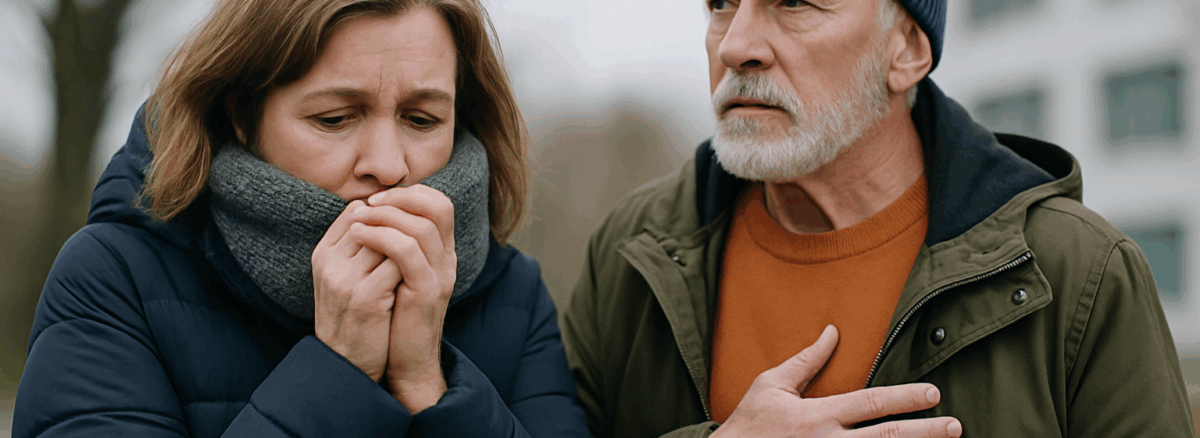
Winters across Houston, the surrounding communities, and Southeast Texas may be mild compared to other parts of the country, but even small temperature drops and humidity swings can significantly impact people living with chronic conditions. For individuals managing asthma, heart disease, arthritis, diabetes, and long-standing respiratory illnesses, the mix of cooler air and Gulf Coast moisture can trigger flare-ups or worsen symptoms unexpectedly.
Understanding how our region’s unique winter climate affects the body can help families stay prepared, manage symptoms early, and recognize when it’s time to seek emergency care.
Why Gulf Coast Winters Can Still Trigger Health Issues
Unlike northern states with consistent cold seasons, Southeast Texas winters shift rapidly; warm and humid one day, chilly and damp the next. These quick changes in temperature and moisture levels can stress the body, especially for those already managing chronic conditions.
Cold air causes blood vessels to narrow, airways to tighten, and inflammatory responses to rise. Meanwhile, humidity can trap irritants, mold spores, pollen, and pollution near ground level. Together, these factors create a challenging environment for individuals sensitive to weather changes.
Respiratory Conditions: Asthma, COPD, and Chronic Bronchitis
Cold, humid winter air along the Texas Gulf Coast is a well-known trigger for respiratory issues. People with asthma, COPD, or chronic bronchitis may find themselves coughing more, wheezing, or feeling short of breath—even when temperatures aren’t extremely low.
How Southeast Texas Winters Affect Breathing
Quick transitions between warm indoor air and cool outdoor air can irritate the airways. Moisture in the air can also hold onto allergens and pollutants that worsen inflammation, especially during sudden cold fronts.
Common Winter Respiratory Triggers
- Cold or rapidly changing air
- Damp, humid mornings
- Mold spores elevated by moisture
- Seasonal increases in viral infections
- Dust and indoor allergens stirred up by heating systems
Difficulty breathing or symptoms that worsen suddenly should be evaluated promptly in an emergency setting.
If your breathing becomes difficult or symptoms escalate, contact Family First ER immediately — our emergency physicians are available 24/7 with on-site imaging and rapid respiratory treatment.
Heart Disease: Why Cooler Weather Puts Extra Stress on the Heart
Even mild cold fronts across Houston and Southeast Texas can strain the heart. As temperatures drop, blood vessels constrict to preserve heat, increasing blood pressure and forcing the heart to work harder. For those with heart conditions, this added stress can trigger symptoms—sometimes without warning.
Winter-Related Hearth Symptoms to Watch
- Chest pain or pressure
- Fatigue or lightheadedness
- Irregular heartbeat
- Shortness of breath during activity
Any chest-related symptoms should always be taken seriously and evaluated immediately
Arthritis and Joint Pain
Throughout Houston, the surrounding suburbs, and Southeast Texas communities, many people notice increased joint pain during cold fronts. Drops in temperature and changes in barometric pressure can aggravate inflammation in joints and connective tissues. Damp, humid air may also intensify stiffness or swelling.
Common Signs of Weather-Related Joint Flares
- Increased stiffness in knees, hips, or hands
- Swelling or tenderness
- Reduced mobility
- More pronounced pain in the morning or after inactivity
Sudden, severe joint symptoms—especially with redness, fever, or inability to bear weight—may require urgent evaluation.
Diabetes: How Cooler Weather Affects Blood Sugar Control
People with diabetes may experience more unpredictable blood sugar levels during winter months. Colder weather along the Gulf Coast affects metabolism, and lifestyle changes during the season—holiday eating, reduced activity, increased stress—can further complicate glucose control.
Factors That Can Disrupt Blood Sugar in Winter
- Fewer opportunities for outdoor activity
- Stress from seasonal routines
- Changes in eating habits
- Viral illnesses common in cooler months
Dangerous shifts in blood sugar, especially when paired with confusion, vomiting, or dehydration, should be evaluated right away.
If your blood sugar becomes dangerously high or low, don’t wait, visit Family First ER for immediate evaluation and treatment.
Chronic Pain and Inflammatory Conditions
Conditions like fibromyalgia, neuropathy, and autoimmune disorders often flare during cool, damp Southeast Texas weather. Temperature changes and moisture fluctuations can amplify nerve sensitivity and increase inflammation throughout the body.
Winter Flare-Up Symptoms
- Heightened nerve pain
- Increased fatigue
- Worsening muscle aches
- Sleep disruptions
If symptoms escalate quickly or affect mobility, medical care may be needed.
Practical Winter Wellness Tips for Our Region’s Climate
Staying healthy during the winter months in Houston and Southeast Texas often means preparing for unpredictable weather.
Simple Ways to Stay Healthy This Season
- Dress in layers to protect your airways
- Use a humidifier or air purifier when needed
- Stay consistent with medications and inhalers
- Monitor blood sugar regularly
- Incorporate gentle indoor exercise
- Limit sudden exposure to cold outdoor air
When to Seek Emergency Care
Even mild climates can produce serious health complications in vulnerable individuals. Know the warning signs that require immediate attention:
Signs That Require ER Evaluation
- Worsening shortness of breath or wheezing
- Sudden chest pain or pressure
- Severe headache or dizziness
- Uncontrolled vomiting or dehydration
- Sudden weakness, numbness, or confusion
- Dangerous blood sugar fluctuations
Emergency rooms have the imaging, testing, medications, and monitoring needed to treat serious winter-related health changes effectively.
A Safer Winter Starts With Awareness
Whether you live in Houston, its surrounding communities, or anywhere in Southeast Texas, the colder months can create challenges for people with chronic conditions. Understanding your body’s responses and knowing when symptoms require emergency care are essential steps toward staying safe all season long.
If your symptoms worsen or become difficult to manage, don’t wait. Visit Family First ER for 24/7 physician-led emergency care and immediate treatment.